
Merano · Bolzano · South Tyrol
Bitcoin mining with surplus solar power
A Bitcoin miner can act as a controllable load for surplus solar power. Voltalps assesses available generation, the electrical connection and opportunities to recover heat.
Set clear priorities
The building’s consumption and agreed priorities for battery storage, heat pumps and EV charging are considered first. Only the remaining surplus is available for mining. The design follows your building and objectives.
Automatic surplus control
For solar-surplus-only operation, power is measured at the grid connection. Controls adjust the miner within its technical limits and stop it when surplus is insufficient. Metering, minimum power, switching cycles and possible grid imports must be checked during commissioning.
Using mining heat
Hot-water or space-heating integration requires suitable equipment, heat transfer, hydraulics and controls. A water-cooled solution depends on temperatures, demand and operating hours. Summer solar surplus and winter heating demand do not automatically coincide.
Assess operation and costs
Mining revenue is not guaranteed. Assessment includes equipment cost, alternative uses of electricity, pool fees, maintenance, downtime and changes in Bitcoin price and mining difficulty. The calculator provides an initial indication; a quotation requires a site-specific assessment.
Frequently asked questions
Is a miner a battery?
No. A miner consumes electricity and cannot return it later as electricity. Mining and battery storage serve different purposes.
Will it run without sunshine?
A solar-surplus-only design should stop the miner when surplus is insufficient. Additional grid-powered operation is a different operating model.
Can all waste heat be used?
Only if demand, temperatures and integration allow it. Excess heat must be removed safely.
Discuss your project
Your contact is Martin Prünster, electrician at Voltalps, Mozartstraße 3, 39012 Merano. We support homes, apartment buildings and businesses in Merano, the Burgraviato area, Bolzano and, depending on the project, throughout South Tyrol. Advice is available in German, Italian and English.
Include your location, PV capacity, available surplus, potential heat demand and proposed installation space. These details help us assess the electrical connection, control and heat recovery for your project.
+39 351 404 7322 · info@voltalps.com
Store electricity or use solar surplus
Solar battery storage in Merano and South TyrolBitcoin mining with surplus solar power
Mining heat recovery and thermal images
The temperatures shown are readings at individual measurement points. Thermal images alone do not establish a system’s heating output or efficiency; the surroundings, measurement conditions and operating state must also be considered.
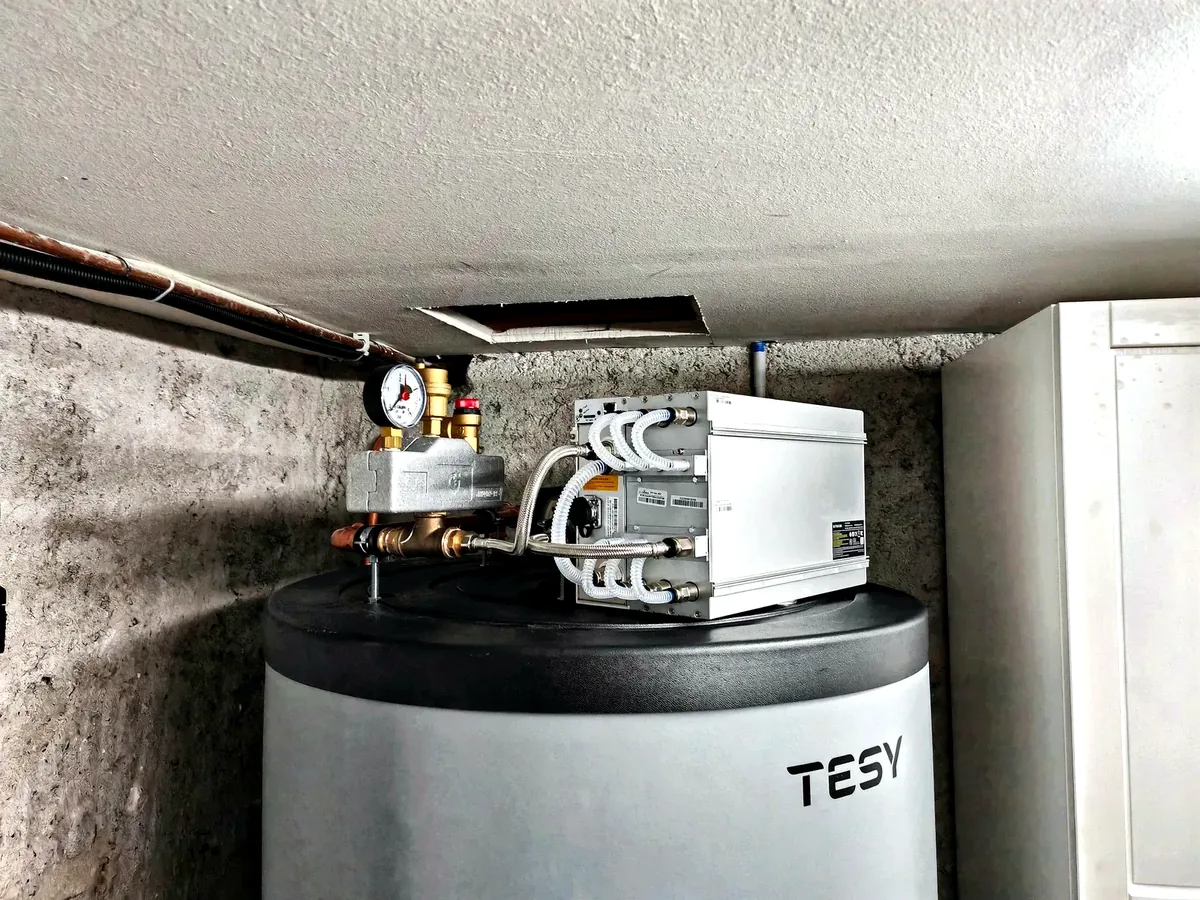
Photo 21 · Setup for recovering heat from computing
A white technical unit with several pipe connections is mounted above a round TESY storage tank. This existing reference documents a setup for recovering heat from mining. Suitable heat transfer, temperatures and an actual demand for heat are central to a project of this kind.
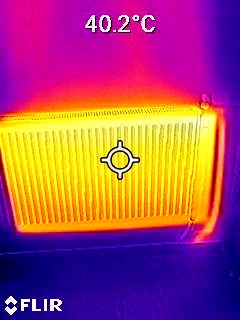
Photo 24 · Thermal image of a radiator: 40.2 °C
The thermal image shows a horizontal radiator whose surface appears mainly yellow to orange. The marked measurement point displays 40.2 °C. This individual surface reading describes that moment and cannot be used to calculate the heating output.
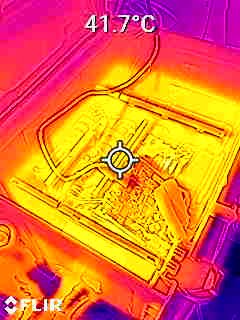
Photo 25 · Open technical unit: 41.7 °C
The thermal image shows an open technical unit with recognisable internal components. The marked point is labelled 41.7 °C. The photograph documents a temperature distribution around the unit; the image alone establishes neither its output nor the amount of usable heat.
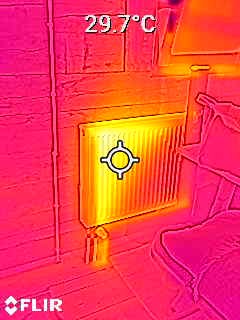
Photo 26 · Radiator beneath a window: 29.7 °C
A radiator beneath a window can be seen in the thermal view. The measurement point on the heating surface shows 29.7 °C; the colour scale represents temperature differences between the radiator, wall and window area.
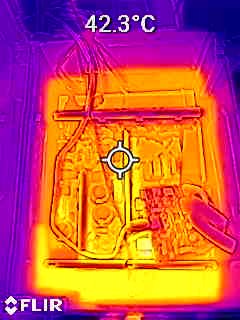
Photo 27 · Internal technical components: 42.3 °C
The photograph shows internal technical components from another viewpoint. A marked point is labelled 42.3 °C. It shows a surface temperature at a particular moment; assessing heat recovery requires additional operating and measurement data.
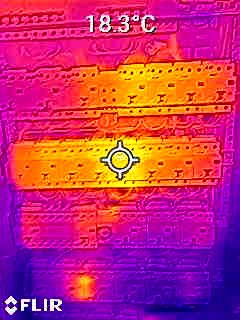
Photo 28 · Technical assemblies in a thermal image: 18.3 °C
Several horizontally arranged technical assemblies can be seen in the thermal image. The marked measurement point shows 18.3 °C. The exact function of the equipment cannot be reliably determined from this photograph, so the description is based on the visible structure and displayed reading.
Separate solar-surplus and mining calculation
Merano · South Tyrol · PVGIS
What can your roof deliver?
A few inputs for an initial estimate. By default the 50% tax deduction for a principal residence (2026 expenses, ten annual instalments) is included; you can switch it off. Module layout, hourly energy balance and annual cash flows are explained transparently.
Loading PVGIS data …
Your initial estimate
Solar, consumption & costs
Finances · PV without mining
- Avoided electricity purchase · year 1
- –
- Export value without mining · year 1
- –
- Operating costs · year 1
- –
- Confirmed incentive receipt · year 1
- –
- Net PV benefit · year 1
- –
- Cautious to favourable scenario
- –
- Net present value PV + optional mining (25 years)
- –
Range: upper/lower automatic cost assumptions, generation −10/+10% and electricity values −15/+15%. An entered total quotation price stays unchanged. Not a statistical confidence interval.
Energy balance · first year
- Solar generation
- –
- Direct building use
- –
- Battery delivery to building
- –
- Battery losses
- –
- Stored energy remaining at year end
- –
- Miner + auxiliary consumption
- –
- Actual grid export
- –
- Additional building grid import
- –
Generation = direct use + battery delivery + losses + end storage + mining + export. Grid imports only supplement building demand.
Monthly solar generation
Mining · additional benefit versus export
- Miner + auxiliary energy · year 1
- –
- Operating hours · year 1
- –
- Time-matched useful heat · year 1
- –
- Unused recoverable heat
- –
- Gross mining revenue · year 1
- –
- Export revenue foregone · year 1
- –
- Useful heat value · year 1
- –
- Fees + operating expense · year 1
- –
- Net mining benefit · year 1
- –
- Additional mining investment
- –
- Mining payback
- –
- Combined-system payback
- –
The PV baseline includes hypothetical export without the miner. Combined benefit subtracts the foregone export value exactly once. Mining stops after the selected operating life; replacement and tax effects are not included. Previous historical BTC figures were removed because supporting evidence was insufficient.
Show all annual cash flows
| Year | Purchase avoided | Export without miner | Operation + replacement | Support | Net PV | Additional mining | Net total | Cumulative total |
|---|
Assumptions and data in detail
Where do the yield data come from?
PVGIS 5.3, SARAH3/ERA5, 2005–2023 reference period, downloaded 08.11.2026. A typical meteorological year supplies 8,760 hours. A simplified model transposes direct and diffuse irradiance onto the roof and calibrates south/30° to the official annual reference. Terrain horizon is included; nearby shading, snow and actual equipment are simplified.
How are consumption and storage calculated?
A selectable hourly profile is normalised to annual demand. Solar serves building loads first, then storage, subject to usable capacity, power and efficiency. The battery starts empty; remaining end-of-year energy is separate. Hourly simulations do not replace measurements or resolve brief peaks and switching.
What do payback and net present value mean?
Full investment is paid in year 0. Savings, revenue, operation, replacements and confirmed incentives follow in years 1–25. Payback is the first full model year from which cumulative cash flow stays non-negative through model end. Net present value discounts total cash flows at the selected rate.
What are the mining limitations?
A fixed-power miner starts only with sufficient hourly surplus, up to its daily runtime limit. Heat is checked against winter-weighted daily demand rather than just an annual total. Fast cloud changes, warm-up, part load, failures and future price/difficulty are not forecast.