
Detect surplus
A meter at the grid connection continuously measures import and export. Only then can the system use surplus deliberately.
Merano · South Tyrol · Energy management & smart home
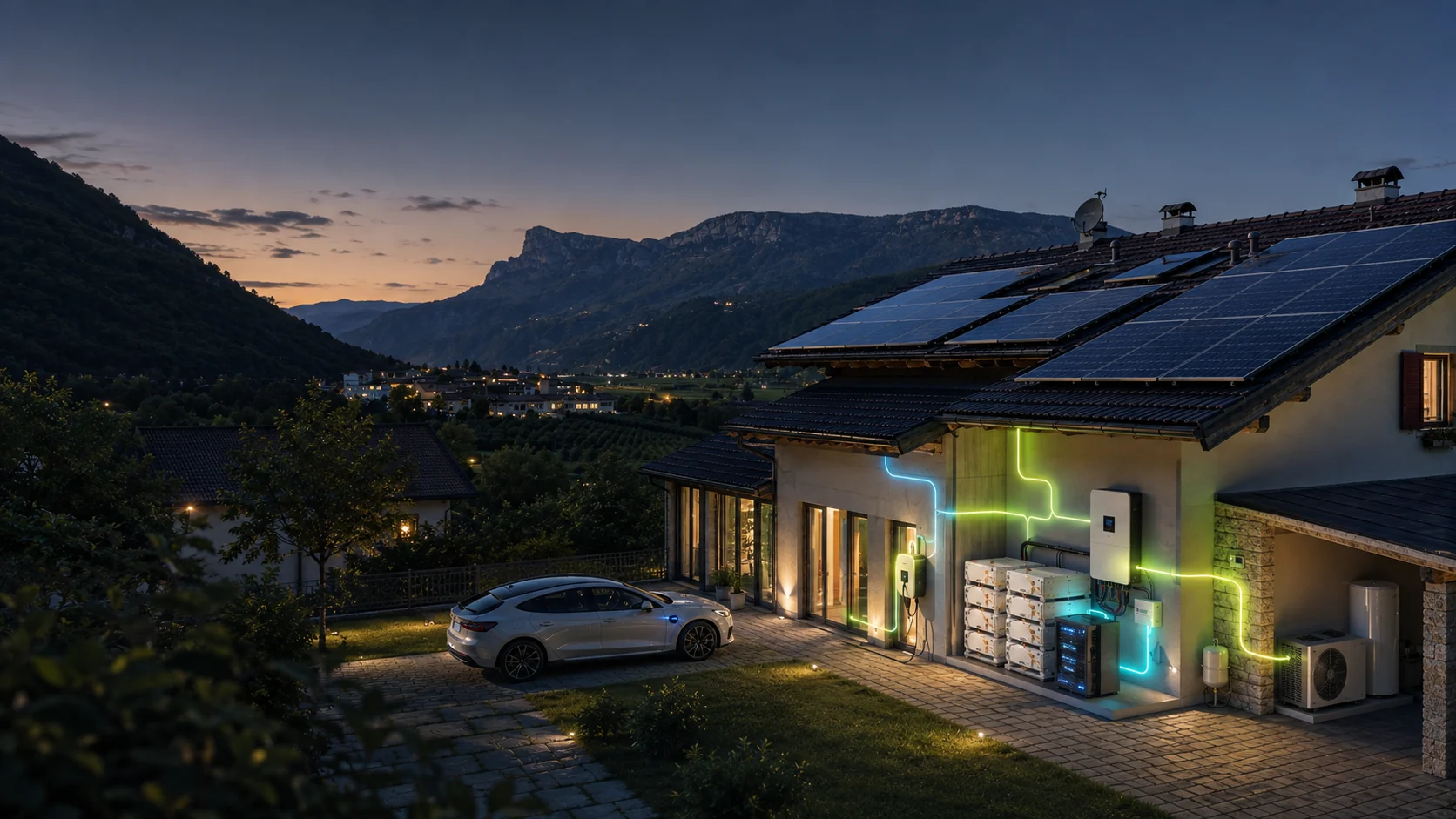
Your home should distribute solar power by itself: first to household loads, then to battery, car or hot water. We set up energy management with Solar Manager or Solar Assistant, retrofit smart-home functions with Shelly and Home Assistant, and track down faults with grid analysis. All by a qualified electrician.
A meter at the grid connection continuously measures import and export. Only then can the system use surplus deliberately.
The battery charges from surplus, the EV preferably from sunshine. Load management protects the grid connection from overload.
Immersion heater, boiler or heat pump run when there is enough solar power. For heat pumps we use interfaces such as SG-Ready where available.
Generation, consumption and battery level at a glance: in the Solar Manager app, the Solar Assistant dashboard or Home Assistant.
The Solar Manager energy management system controls solar, battery, EV charger, heat pump and boiler based on surplus and your priorities. Consumption, generation and settings are in one app.
Solar Assistant runs on a small computer connected directly to the inverter and battery. It shows generation, consumption and battery status locally in your browser and can pass the data to Home Assistant.
The right system depends on inverter, battery and goals. We check compatibility first. If the manufacturer’s system is enough, we use that.
Many smart-home functions can be retrofitted without new cables. Small Shelly modules fit behind switches or sockets in the existing wall box, if there is space and a neutral wire. Lights, blinds and appliances become controllable, with energy metering.
Home Assistant brings everything together in one hub in your home: solar, battery, EV charger, heating and smart devices. Automations run locally; remote access is optional.
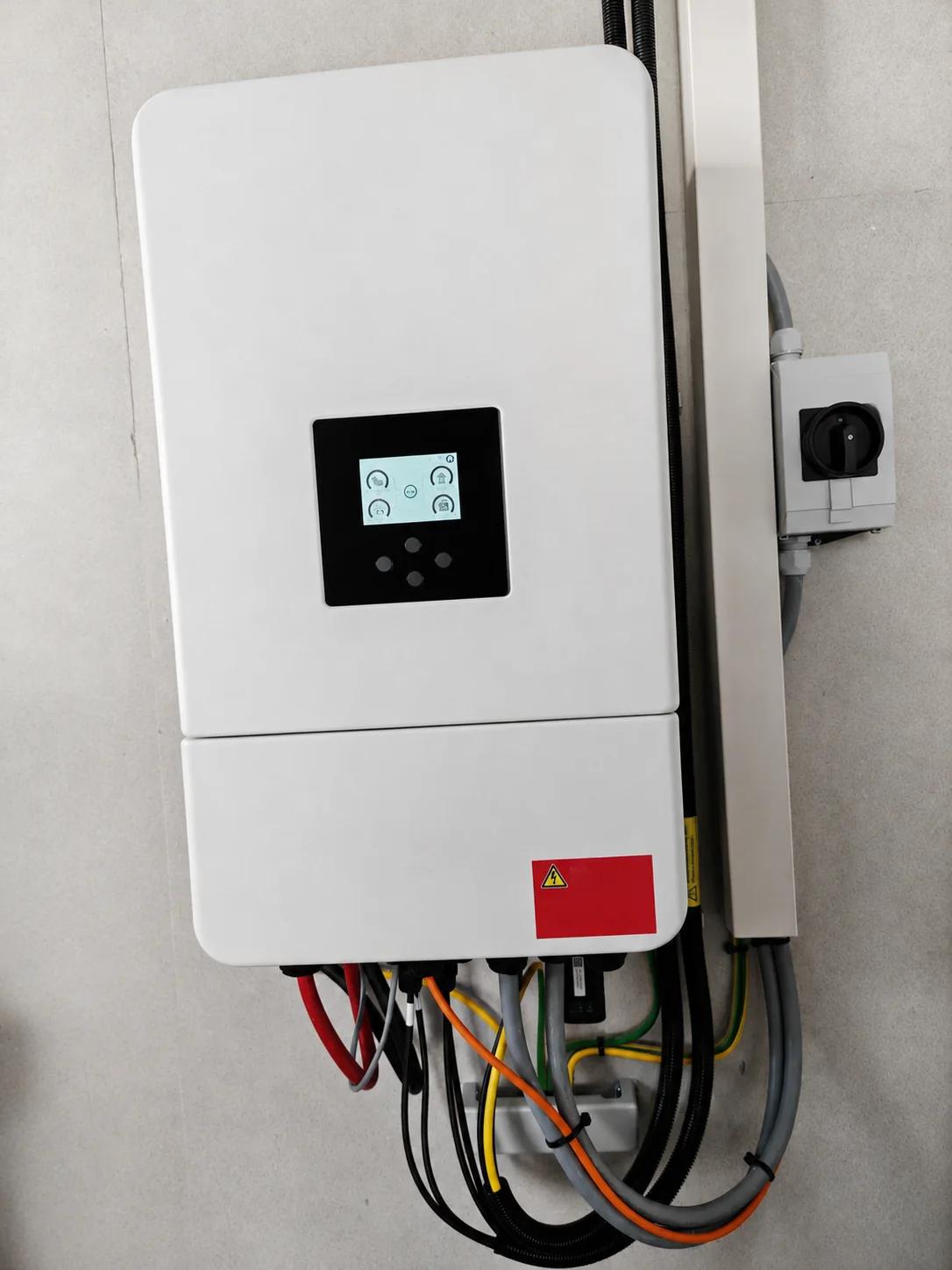
Many inverters, batteries, EV chargers and heat pumps offer interfaces such as Modbus, a local API or volt-free contacts. We first check what your devices support. If the manufacturer’s energy management already meets your goals, we use it. We add Home Assistant where several systems need to work together.
With a power analyser we measure voltage, currents, power and harmonics at the grid connection or distribution board over several days. This reveals load peaks, phase imbalance and voltage problems, and is a solid basis for sizing solar, battery and EV charger.
Inverter shutting down, error messages in the app, RCD tripping or battery not charging? We find the cause with on-site measurements and fix it, from insulation testing to device settings and communication.
What should run automatically? More self-consumption, comfort or overview?
Meter, inverter, battery, charger, heating and network.
Metering, modules and hub, automations and app.
After a few weeks we review the data and adjust the rules.
FAQ
Usually not. Wireless modules often fit into existing wall boxes. In new builds or renovations we plan cables and distribution boards accordingly.
Home Assistant and many Shelly devices can be controlled locally on your home network. Internet is needed for remote access and some manufacturer apps.
Often yes, depending on the interfaces of the inverter and battery. We check this by model in advance.
You use more solar power instead of exporting it cheaply. The benefit depends on your loads, such as boiler, heat pump or EV. We do not promise flat-rate savings.
A simple surplus control for a boiler or EV charger needs only a few components. A whole-house smart home is a project of its own. Scope and price are set in the quotation after a conversation.
Yes, for example load management for several charging points or metering in shared installations. Scope is agreed per project.
Depending on the system: Solar Manager, Solar Assistant, the inverter manufacturer’s system or Home Assistant. What matters is your equipment and what should run automatically.
Yes. Common causes are high grid voltage, insulation faults or incorrect settings. A grid analysis and on-site measurements show the cause.
Tell us which devices you have and what you would like. Photos of the meter and inverter help.